Skip Hire in Tottenham for straightforward waste clearance

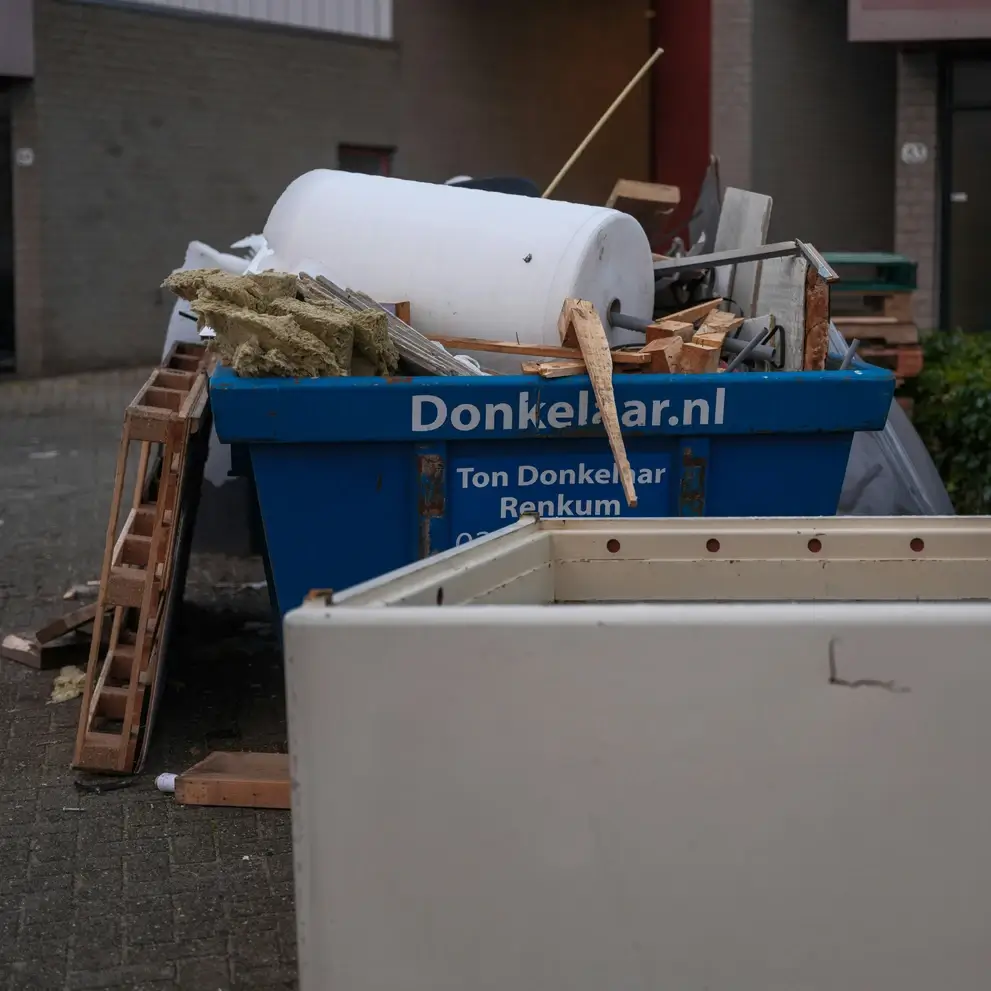
Skip hire in Tottenham gives households, landlords, trades and site teams a practical way to deal with bulky waste in one container rather than many separate trips. Our service is centred on ordered, legal disposal of mixed waste streams that arise from refurbishment, garden projects, clear-outs and general property maintenance. The right skip size depends on the material, the access available and how quickly the waste is likely to build up, so the service is best planned around the work rather than the other way round.
We offer skip hire options that suit domestic clearances, building work and commercial waste movements, alongside related support such as skip sizes and prices and what can go in a skip. That makes it easier to decide whether a standard skip, a permit-based placement or a more controlled loading approach is the better fit. If you are arranging disposal for a project in Tottenham, a concise enquiry with the waste type and access details is the best starting point.
If you already know the sort of clearance you need, take a moment to compare the main options and then request a quotation. For many customers, the decision comes down to space, timing and the mix of waste, not simply volume. Choose the most practical container first, then confirm the placement method and collection plan.
Domestic skip hire for home projects
Domestic skip hire is often used for kitchen rip-outs, bathroom updates, loft declutters and spring clear-outs where ordinary bin collections are not enough. The aim is to give the customer one clear place to put unwanted material while the work progresses, whether that is timber, packaging, old fittings or general non-hazardous household waste. When the job is planned well, the skip becomes part of the project rhythm rather than an extra interruption.
For many homes, the main decision is how much material will actually come out once cupboards, sheds or rooms are emptied. A smaller skip can suit lighter clearances, while a larger container may be better when mixed waste is produced over several days. Consider access, driveway space and whether the skip will sit on private land or require roadside placement. That choice affects the process, so it is worth confirming early.
We also support customers who are comparing domestic collection methods with other disposal routes such as domestic skip hire and rubbish removal. A skip is not always the answer, but when waste is generated steadily and needs to stay on site for a period, it can be one of the neatest approaches. A quick quotation request should describe the room or area involved, plus any awkward access or mixed materials.
Builders and renovation waste management

Building and renovation work creates waste in bursts: plasterboard, broken tiles, offcuts, packaging and old fixtures can accumulate quickly. Our builders-focused skip hire service is designed around that kind of workflow, where waste needs to be kept separate enough for practical loading but collected before it becomes a blockage. The service sits naturally alongside builders waste removal and construction waste clearance, which are useful references when planning a longer project.
For trade and refurbishment customers, the most useful preparation is to estimate the material mix rather than only the weight. Heavy inert waste behaves differently from lighter mixed waste, and a container that looks roomy may fill faster than expected if the load is bulky. We can help with common construction waste types, but regulated or restricted materials need separate handling. If the project includes demolition, strip-out or substantial structural work, it is sensible to check the disposal route before demolition starts.
Where suitable, other service pages can help you narrow the right route: construction waste disposal and demolition waste removal both relate to larger works and can inform the decision. A clear list of materials, approximate timing and site access notes will usually make the quotation process faster. Tell us what the job will produce, not just what is being removed.
Choosing the right skip size and placement
Skip hire works best when the size is matched to the actual project rather than chosen by habit. A container that is too small may need swapping or additional collections, while one that is too large may take up more space than needed. The right option depends on what is being cleared, how quickly the waste will arrive and whether the site can accommodate a vehicle and container safely. Those are practical considerations, not cosmetic ones.
Placement matters just as much as capacity. If the skip can sit on private property, loading is often simpler; if it needs to go on the public highway, a permit may be required and that must be factored into the planning. For customers comparing options, skip hire permits and skip permits are relevant pages that explain the permit route from different angles. This is especially useful where parking, access or street width is limited.
When selecting a container, think about how waste will be carried to it. Narrow side passages, steps, overhead obstructions and shared access can all influence the size that is genuinely practical. A smaller container placed in the right spot may be easier to use than a larger one in a difficult position. Good access planning saves hassle later and often improves the overall flow of the job.
Commercial skip hire for ongoing waste streams

Commercial skip hire supports premises that generate repeated waste from maintenance, fit-outs, stock changes or light refurbishment. Offices, shops, workshops and managed properties often need a predictable collection pattern rather than a one-off load. The focus is on continuity: providing a container that fits the site and a collection arrangement that keeps waste from building up around the working area.
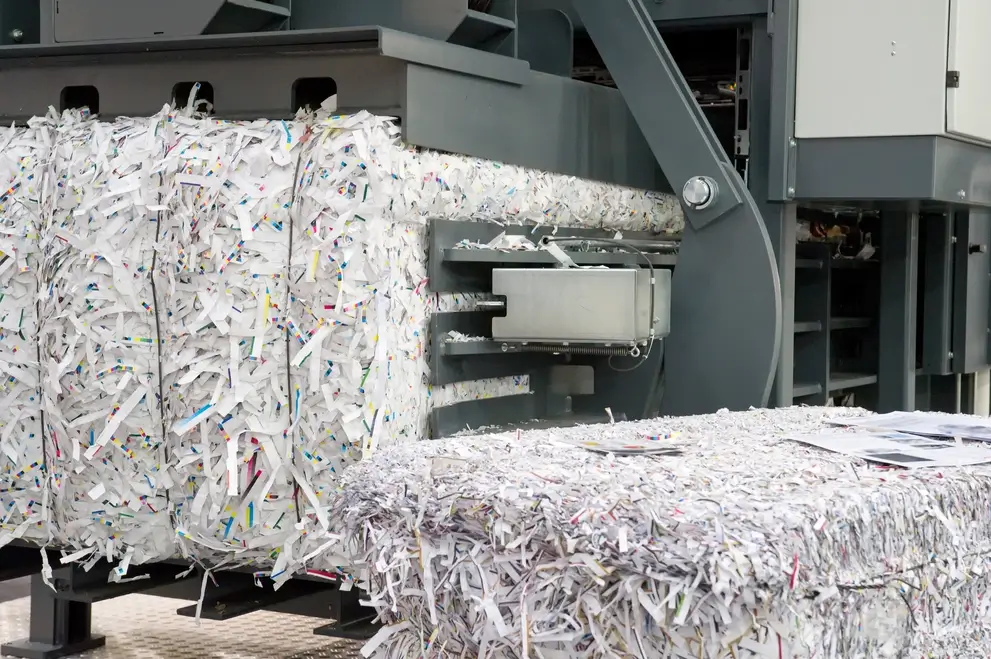
For businesses, waste type can matter as much as volume. Packaging, broken shelving, office furniture and general non-hazardous debris may all arise within the same project, but they may not all belong in the same stream. If a workplace clearance includes filing or records, a separate route such as confidential shredding can be more appropriate for sensitive documents. That keeps the main skip clear for ordinary disposal and helps the site stay organised.
Office moves and premises changes may also call for broader clearing support, including office clearance where desks, chairs and other contents need to be removed in a more structured way. For a commercial quotation, list the key waste types, the building access and any dates that matter to your team. A well-described commercial job is much easier to price and schedule sensibly.
Garden, garage and house clearances
Home clearances are often more varied than they first appear. One load may contain garden cuttings, broken planters and soil bags; another may combine loft clutter, old furniture and miscellaneous household items. We cover several related clearance types, including garden waste removal, garage and loft clearance and house clearance, because customers often need more than one approach across the same property.
Garden work usually creates light, bulky waste, while garages and lofts tend to produce a mixed collection of reusable, recyclable and disposable material. House clearances can be more sensitive where furnishings, boxed items or long-stored belongings are involved. The right plan depends on whether the aim is to clear a single outdoor area, empty storage spaces or deal with a full property that contains a wide range of items.
When you ask for a quotation, it helps to describe the spaces involved in plain terms: shed, front garden, loft, spare room or whole house. There is no need to overstate the job, but the more accurately you describe the contents, the more sensible the recommendation is likely to be. If you are comparing disposal routes, a skip can work well when the waste is gathered in one place and not needed again.
About Tottenham
Tottenham is a district in north London within the London Borough of Haringey, forming part of the wider borough landscape between central London and the northern suburbs. It sits within a dense urban corridor shaped by transport, housing and long-established neighbourhoods, with Tottenham High Road acting as one of its best-known routes. The area includes a mix of residential streets, local shopping parades and larger civic and sporting landmarks that reflect different periods of its development. Much of Tottenham’s built character comes from late nineteenth and early twentieth century housing, although redevelopment and regeneration have also altered several parts of the district over time. The River Lea and its associated valley form an important natural edge to the east, while canals and open spaces help break up the urban grain. Markfield Park and Lordship Recreation Ground are among the local green spaces that give the area everyday breathing room, and the surrounding network of streets connects neighbourhood centres such as Seven Sisters and Bruce Grove. Tottenham has also been shaped by football culture, with the Tottenham Hotspur Stadium standing as a major contemporary landmark, alongside older places of worship, schools and public buildings that speak to the area’s layered social history. The name itself has long been associated with settlement along the old road north from London, and modern Tottenham still reflects that position as a busy, connected part of the capital rather than a self-contained town.
Waste types, restrictions and sensible planning
Not every material belongs in an ordinary mixed skip, so it helps to understand the broad categories before loading begins. Common household and builder’s waste is often suitable, but items that are hazardous, pressurised, especially heavy or subject to special regulation may need another route. That includes materials that require extra care, separate transport or a different form of recycling and disposal. Planning around these limits reduces delays and avoids unsuitable loads.
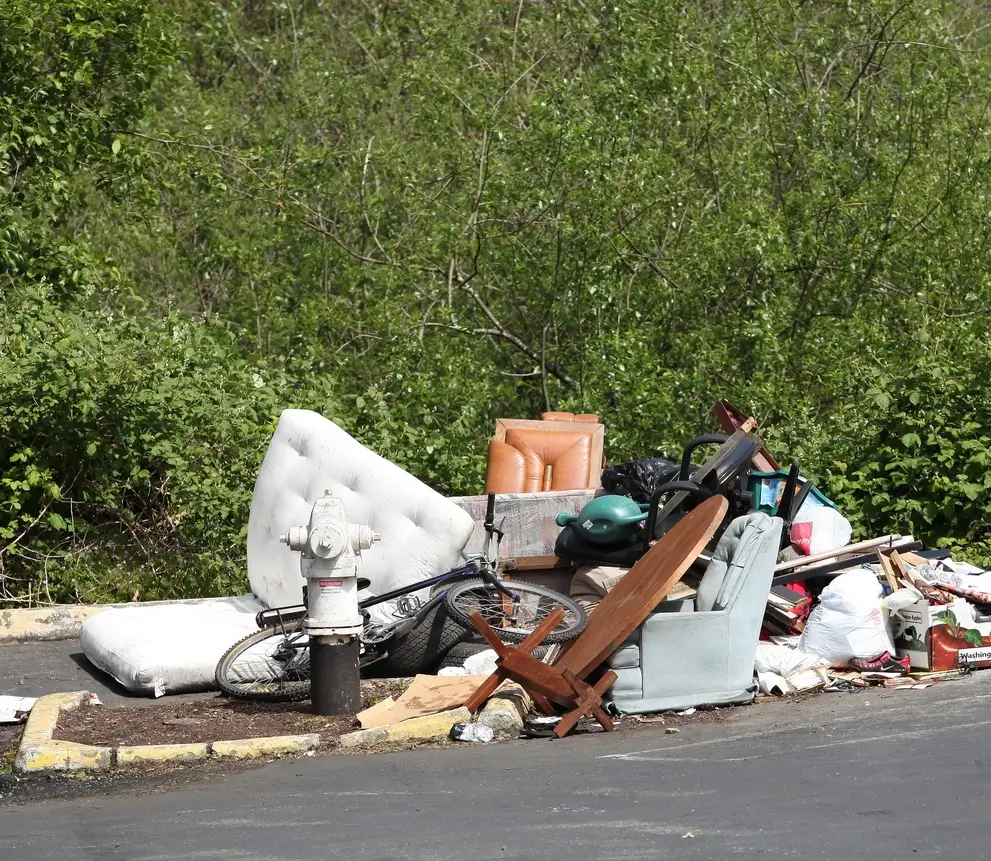
Helpful related pages include hazardous waste disposal for restricted material streams and fridge and appliance removal for bulky items that do not always fit a general skip plan. If your clearance includes furniture as well as loose rubbish, mattress and sofa disposal may also be relevant. These pages do not replace a tailored quotation, but they do help identify whether your load needs more than one disposal method.
When planning a skip, a concise list of materials is better than a vague label. For example, “bathroom rip-out with tiles and sanitaryware†or “garden clearance with branches and broken timber†gives far more useful information than “mixed wasteâ€. Specific descriptions lead to better advice, especially where the load contains items that may need sorting before collection.
Grab hire, wait and load and other alternatives
Some jobs are better suited to a different collection method. Grab hire can be useful where waste is piled externally and needs to be lifted quickly, while wait-and-load is often considered when a skip cannot remain on site. These options sit alongside standard skip hire rather than replacing it, and the best choice depends on access, timing and how the waste is being generated. A tidy site with room for loading may be ideal for one method but awkward for another.
Customers comparing methods can review grab hire services, grab lorry hire and wait and load skip hire to see how the approaches differ. There is also a place for man and van collection where a smaller, more flexible load needs to be removed from inside a property or from awkward access. The point is not to force every project into a skip, but to match the disposal method to the site conditions.
If you are unsure which approach suits the job, the most useful enquiry includes site access, approximate waste type and whether the material will be ready all at once or generated over time. That information helps narrow the route before any order is placed. One clear description is enough to start the conversation, so you do not need to overcomplicate it.
Recycling, sorting and responsible disposal
Good skip hire is not only about taking waste away; it is also about making the disposal process more orderly. Mixed loads often contain a blend of recyclable and non-recyclable material, so practical sorting at the point of loading can make later processing easier. Timber, metals, rubble, cardboard and green waste may each need different downstream treatment, depending on the load and its condition.
Where sustainability matters to the customer, it is useful to review waste recycling services and recycling and sustainability alongside the main skip booking. Those pages support informed decisions about what happens after collection, without turning the homepage into a technical manual. For some projects, that extra clarity is valuable because it helps the customer understand how a mixed load will be handled.
Practical waste separation also affects the customer’s own preparation. Keeping like with like, avoiding contamination and leaving prohibited items out of the container all improve the process. Good loading habits matter even when the job is small, because they make the collection cleaner and easier to manage from start to finish.
How to request a quotation for skip hire

To request a quotation, start with the basics: the kind of waste, the likely volume, the site address or access notes, and whether the skip can sit on private land. If the job is a refurbishment, a clearance or a commercial contract, include the likely timescale and any restrictions on delivery or collection. That allows the price and logistics to be considered together instead of separately, which is usually more efficient for everyone involved.
It can also help to mention whether the waste will be packed steadily over several days or loaded in one go, and whether any alternative disposal pages seem relevant to the job. For example, a mixed property clearance may call for skip hire on one part of the work and a separate arrangement for another part. If you already know the service you want, keep the enquiry focused and direct so the response can be equally clear. You can also use the service pages to compare the most suitable route before you ask for pricing.
When you are ready, request a quotation with the job details and the waste type, and we will help you find the most practical option for Tottenham. If you prefer, you can first look through the service pages, then come back once the scope is fixed. Send the details that matter most, and keep the request concise.